

Social Media PPC Advertising: How to Optimise Campaigns for Better Conversions

Lydia Eler
23 /07/2026
Table of Content
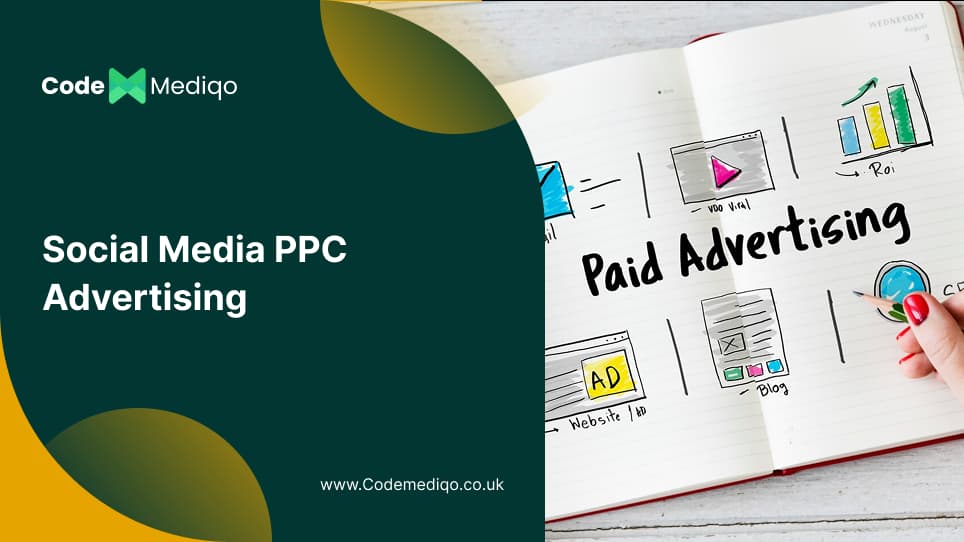
Paid social advertising can fill your appointment book fast, or it can quietly burn through your budget with nothing to show for it. The difference usually comes down to a handful of decisions made before the campaign ever goes live. This guide covers how to run social media PPC advertising properly for a UK healthcare practice, from picking the right platform to staying within the rules that most agencies get wrong.
Most of the wasted budget we see in this channel comes from the same handful of avoidable mistakes, repeated month after month, because nobody stopped to check whether the basics were actually right in the first place.
What Is Social Media PPC Advertising?
Social media PPC advertising means paying to show adverts on platforms like Facebook, Instagram, and LinkedIn, where you pay each time someone clicks. It sits alongside Google Ads as one of the fastest ways to bring in new enquiries.
- Done well, it puts your practice in front of exactly the right person at the right moment.
- Done badly, it wastes spend on clicks that were never going to become patients, or worse, breaches advertising rules that apply specifically to healthcare.
For most UK practices, this channel sits somewhere between a quick win and a genuine skill. The setup is simple enough to start in the afternoon. Getting it to convert well and stay compliant takes real ongoing attention.
Choosing the Right Platform For Conversions
Not every platform does the same job. Picking the wrong one for a specific service is one of the most common and most expensive mistakes practices make.
Google Ads Captures Existing Demand
Someone searching “emergency dentist near me” already knows what they need and is close to a decision. Google Ads catches this moment, which is why search ads typically convert at a much higher rate than social ads.
This makes Google Ads the natural starting point for any service with clear, urgent demand behind it. The person clicking the ad has already done the hard part of deciding they need help. Your job is simply to be the answer they find first.
Meta Ads Create New Demand
Meta Ads, covering Facebook and Instagram, work differently. They reach people who were not actively searching, but who respond to a well-made advert about a service they did not realise they wanted or needed.
This makes Meta better suited to introducing something new, such as a cosmetic treatment or a wellness programme, where the patient journey starts with inspiration rather than an urgent problem to solve.
Google Ads | Meta Ads | |
Best for | Urgent, high-intent searches | Building awareness, elective services |
Typical conversion rate | Higher, since intent already exists | Lower, but reaches new audiences |
Cost per click | Usually higher | Usually lower |
Good example | Emergency dental appointment | Cosmetic treatment, wellness programme |
Most UK practices get the best results using both together: Google Ads for urgent, high-intent services, and Meta Ads for building interest in elective or lifestyle-driven treatments.
What You Cannot Target
This is the part most agencies without healthcare experience get wrong, and it can get your account flagged or your ad rejected. Meta’s Personal Attributes Policy blocks any ad that implies you know something personal about the viewer’s health. A headline like “Struggling with knee pain?” risks rejection, because it assumes the platform knows something private about that person.
This catches out a surprising number of otherwise well-run healthcare campaigns. The ad looks perfectly reasonable to a marketing team, but Meta’s automated review sees it as implying private health information, and either rejects it outright or flags the whole account for review.
The safer, better-performing approach focuses on the service and the outcome, not the symptom:
- Talk about mobility, comfort, or specialist care, not the specific condition
- Avoid headlines that speak directly to a symptom or diagnosis
- Keep imagery general rather than showing a specific body part or condition
- Test service-focused headlines against symptom-focused ones, and you will usually see the service-focused version perform just as well
UK rules add another layer on top of this. The CAP Code applies regardless of platform, meaning no guaranteed outcomes, no pressuring language, and testimonials limited to general service experience rather than specific results. Before-and-after images, common in aesthetic advertising, are only allowed where genuine and unaltered, with clear guidance on how they can be captioned.
Creative That Actually Converts
Generic stock photography and brochure-style messaging consistently underperform against more authentic creative. A few things tend to work well across UK healthcare campaigns:
- Short, native-feeling video featuring real clinicians and real facilities
- Behind-the-scenes content showing what a visit actually looks like
- Genuine patient experiences, always shared with proper written consent
- One single, clear call to action per advert, not several competing prompts
- Carousel formats for multi-speciality practices, introducing one clinician or service per slide
Whatever the format, the advert needs one job only: book a consultation, call now, or check availability. Adverts trying to do three things at once usually do none of them well.
Landing Pages Make or Break the Campaign
Sending paid traffic to your homepage instead of a dedicated landing page is one of the most common and most costly mistakes in healthcare PPC. A patient who clicks an ad about a specific treatment, then lands on a generic homepage with no obvious next step, will usually leave rather than search the site themselves.
A good landing page matches the ad’s exact promise, loads quickly on mobile, and gives a short, simple way to convert, ideally a form or a click-to-call button near the top of the page. Trust signals matter here, too. Genuine reviews, clear pricing information, and visible clinician credentials all reduce the hesitation that otherwise causes a warm, ad-driven visitor to leave without booking.
Budgeting and Realistic Benchmarks
Cost per click and cost per lead vary a lot by speciality and platform. General practice and primary care services tend to see more efficient costs, while specialist services like cosmetic treatments face higher costs, driven by narrower audiences and more competition for the same keywords.
The number that actually matters is cost per booked patient, not cost per click. A cheap lead that never converts is a worse outcome than a slightly more expensive one that books an appointment.
Practices new to paid social should start with a steady, modest budget rather than one large burst of spend. This gives the platform’s own optimisation enough data to find the audience that actually converts, rather than guessing from a single short campaign.
Testing and Retargeting
Campaigns set up once and left untouched consistently underperform those reviewed and adjusted regularly.
A simple, structured approach works best:
- Test two or three versions of your creative and messaging at once
- Give each version enough time and budget to gather real data before judging it
- Move budget toward whatever is actually converting, not just getting clicks
- Set up retargeting for people who visited your website but did not book
Retargeting needs care in healthcare, specifically. Showing a general follow-up ad to someone who visited your website is standard practice, but retargeting based on a specific treatment page they viewed can drift into the same sensitive targeting territory the platforms restrict. A more general, service-level retargeting approach avoids this problem entirely.
Quick Questions Answered
Should a small clinic use Google Ads or Meta Ads first?
Start with Google Ads for services patients are already actively searching for. Add Meta Ads once you want to build awareness for elective or lifestyle treatments.
Why did my healthcare ad get rejected on Meta?
Usually, because it implied knowledge of a personal health condition. Rewrite the headline to focus on the service or outcome, not the symptom.
How much should a UK clinic spend on paid social to start?
A modest, steady monthly budget, tested over several weeks, works better than one large burst of spending. Exact figures depend heavily on your speciality and location, so treat any generic number you find online with caution.
In Conclusion
Social media PPC advertising works best as part of a joined-up strategy, not a standalone tactic. Pick the right platform for the service, stay inside Meta and UK advertising rules from the start, and send every click to a landing page built for that exact offer.
Get these basics right, and paid social becomes one of the fastest, most reliable ways to fill your appointment book. Skip them, and it becomes one of the fastest ways to lose budget with nothing to show for it, month after month, without anyone noticing why.
If you are spending on paid social without a clear, measurable return in booked appointments, a focused campaign review is the fastest way to find out where the budget is being lost, and what a better-converting version of the same campaign would actually look like.
Digital Transform with Us
Please feel free to share your thoughts and we can discuss it over a cup of coffee.
Related Articles
- Tab Title 1
What Is B2C Healthcare Marketing? A Complete Guide for Healthcare Providers

Lydia Eler
22/07/2026
Effective Strategies for B2B Healthcare Marketing Success
Lydia Eler
21/07/2026
AI In Healthcare Marketing: What’s Making An Impact In 2026
Lydia Eler
29/07/2026

What Is an MVP App? A Complete Guide
By Ahsan

What Is an MVP App? A Complete Guide
By Ahsan
Let's Build Something Exceptional!
Tell us where your healthcare brand needs to grow: more patients, stronger search rankings, better-converting website, or smarter ad spend.
Contact
Tell Us What you need.
Our team is ready to assist you with every detail